S2S

Just Announced: NASA OpenET Data Release
Built by Seed2Sea.org R&D Lab

Soil-to-SeaWatershed Dashboard

Real-time watershed monitoring starting with OpenET satellite data. A living dashboard designed to integrate future datasets—local sensors, soil health networks, and international water resources—for comprehensive regenerative intelligence.

Sick Care
Preventative Healthcare
Explore the plan

The Problem We're Solving

Nutrient pollution is not an inevitable cost of food production
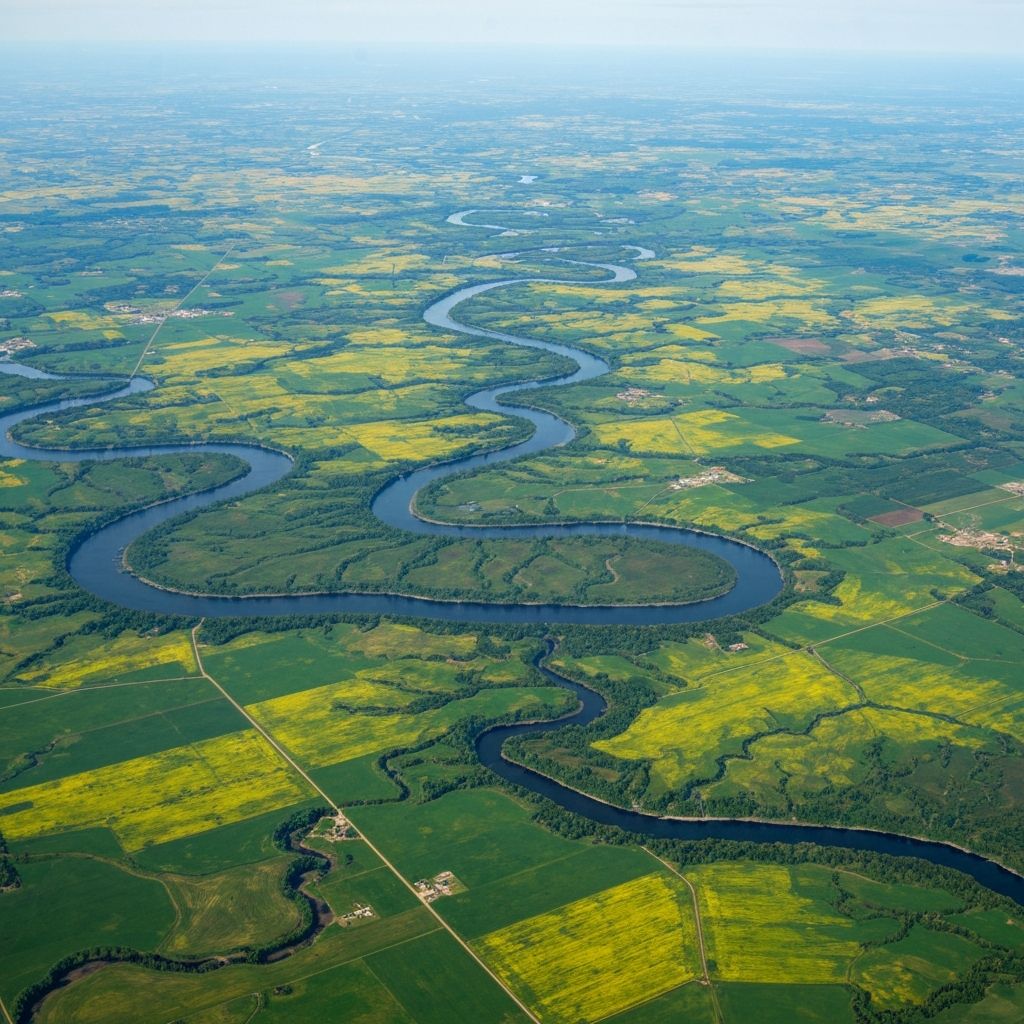
America's Watershed
41%
of US landmass

America's Watershed

The Mississippi drains 41% of the continental US—31 states connected by water. What happens in a Kansas cornfield flows 1,500 miles to the Gulf.
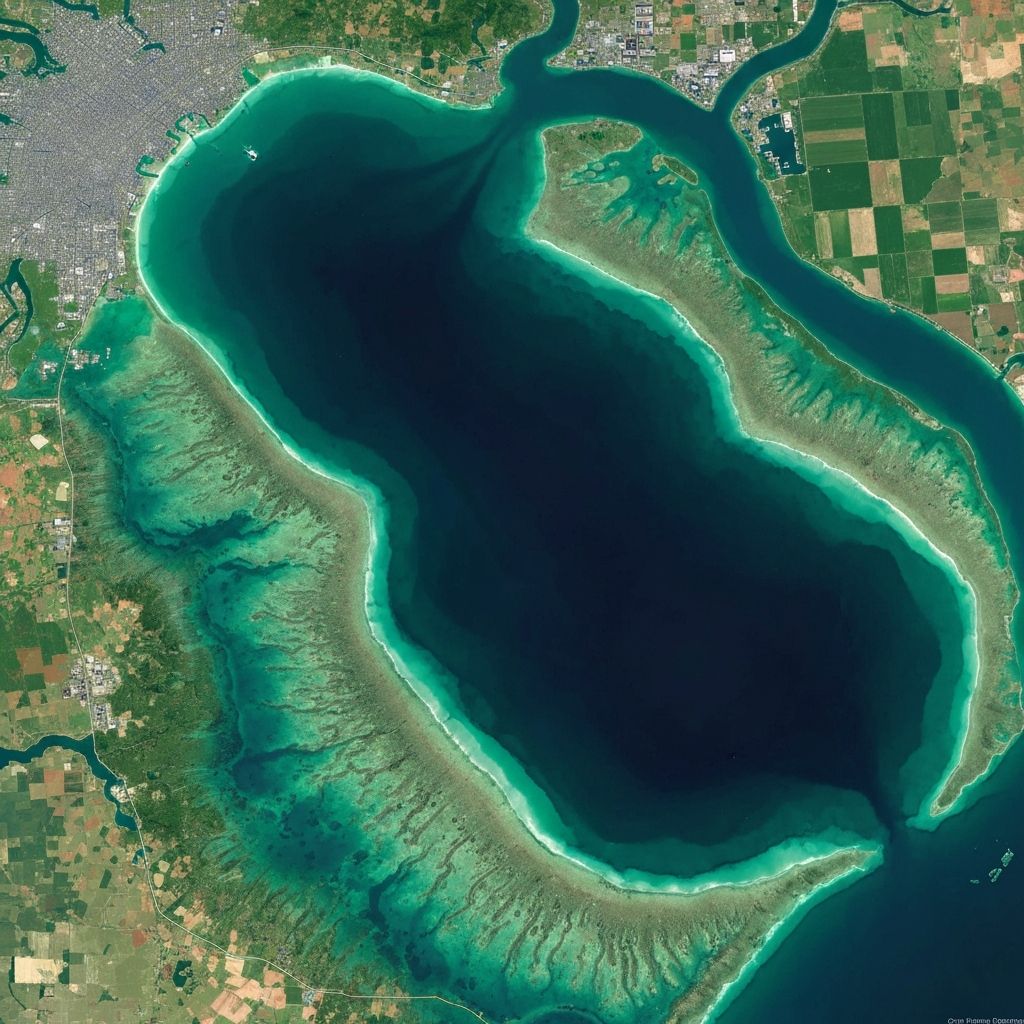
The Crisis: Dead Zones
8,776
sq mi dead zone

The Crisis: Dead Zones

Every spring, excess nutrients create a hypoxic zone larger than New Jersey. Fish can't breathe. A $2.4B fishing industry at risk. This is 'sick care'—perpetual remediation.

The Solution: Upstream Prevention
40-50%
reduction target

The Solution: Upstream Prevention

Cover crops hold nutrients in place. Biochar locks carbon and nitrogen in soil. Precision agriculture cuts fertilizer loss. Treat soil as the first line of defense.
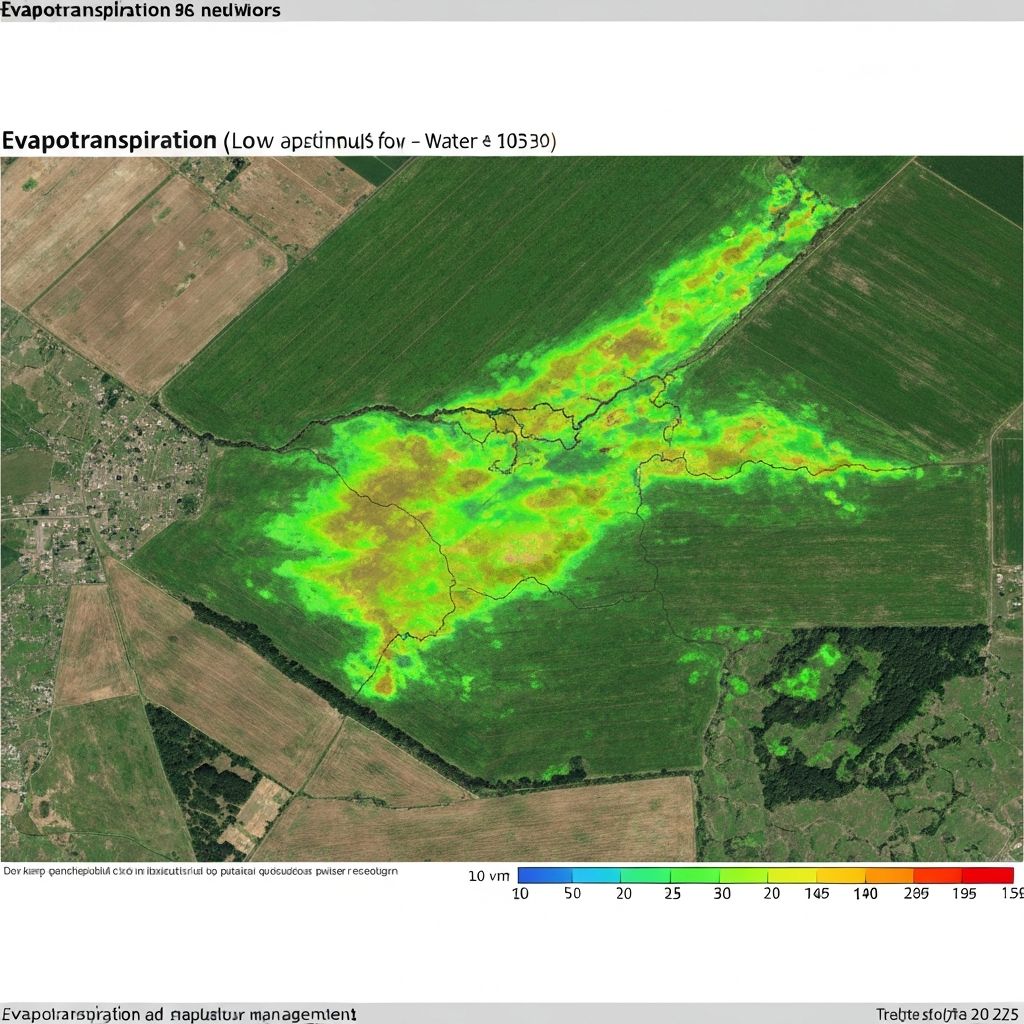
Data-Driven Accountability
30m
pixel precision

Data-Driven Accountability

OpenET satellites track every field at 30-meter resolution. Transparent watershed dashboards prove impact. Finally, regenerative ag has a scoreboard.

Three Core Shifts

Nutrient Management

Linear → Circular

Water Management

Remediation → Prevention

Capital Management

Subsidy → Infrastructure
The Six Pillars of Soil-to-Sea 2030

A strategic blueprint for transforming American agriculture

Soil as Infrastructure

Redefine soil health as a critical national asset. Treat nutrient retention as a public-good service embedded into planning and finance.

Data & Accountability

Transparent watershed dashboards tracking nutrient flows, soil outcomes, and water impacts. Enable adaptive management with real-time data.

Explore Dashboard

Capital Alignment

Pay for prevention, not perpetual remediation. Long-term savings from reduced cleanup costs will exceed upfront investment.

Circular Nutrient Economy

Close nutrient loops from farm to table to waste and back. Convert organic waste into valuable soil assets, reducing synthetic fertilizer dependence.

Scaled Biochar Deployment

Deploy mobile biochar systems at watershed scale. Lock nutrients and carbon in soil permanently, preventing runoff at the source.

Extension-Led Adoption

Leverage land-grant extension systems and farmer-trusted channels. Farmers as co-designers, not passive recipients.

Soil-to-Sea DAO

A Decentralized Autonomous Organization where stakeholders collaborate, contribute data, and share in the value they create. Real impact. Real rewards.

Farmers & Agribusiness

Earn from regenerative practices and carbon credits

Citizen Scientists

Monitor watersheds and contribute verified data

Universities

Access real-time data for research and publication

Developers

Build tools and integrations on OpenET data

Powered by OpenET

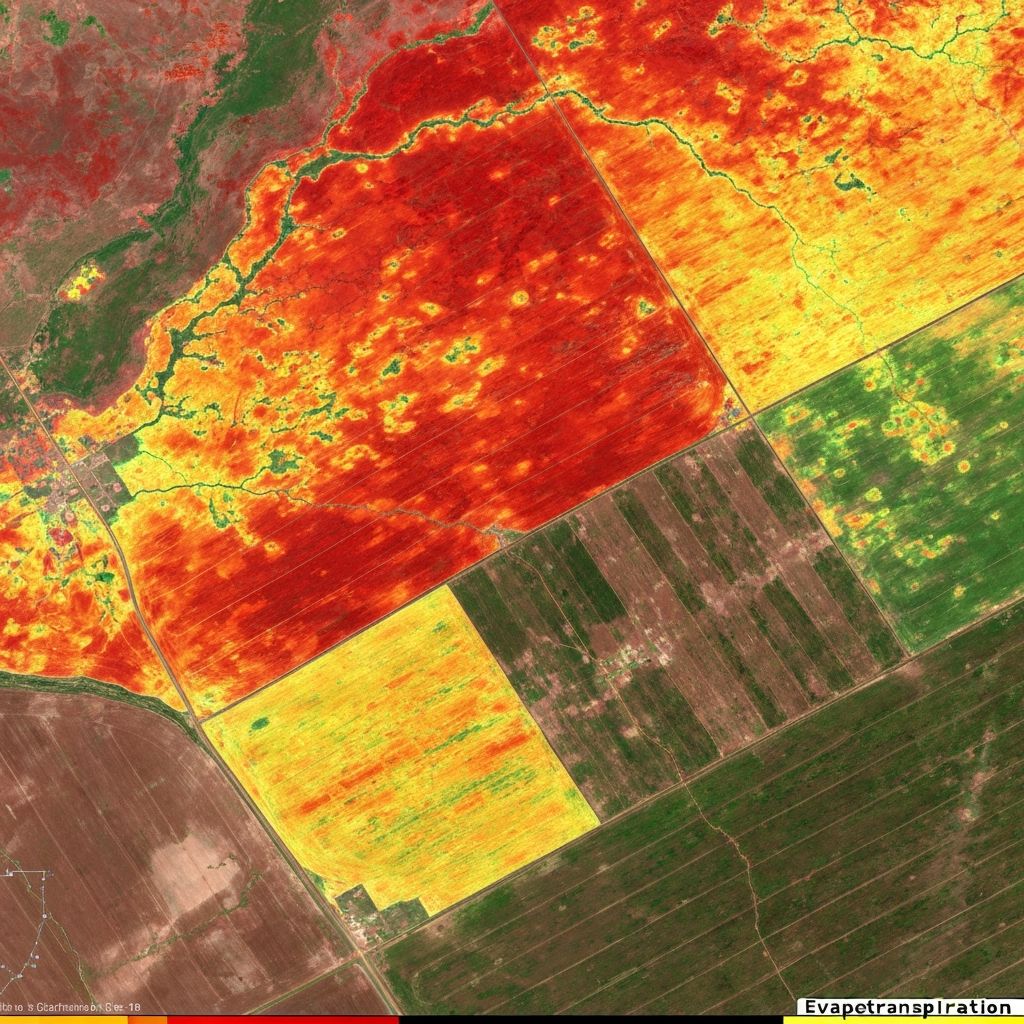
We start with OpenET—the gold standard in satellite water monitoring. Six peer-reviewed models. 30-meter resolution. Field-validated by NASA, USGS, and 100+ water districts. As the dashboard evolves, we're integrating additional local and international datasets for watershed-scale intelligence.

Landsat 8/9
8-day cadence
6 Models
Ensemble accuracy
2016-Present
Historical data
API v3.0
Real-time queries
OpenET satellite data visualization
ET Rate4.2 mm/day

Roadmap to 2030

A phased approach to systemic integration

Current Phase
Phase 1
Foundation
2025–2026
  • Formalize governance
  • Launch pilot watersheds
  • Secure seed capital
  • Anchor Centers of Excellence
Phase 2
Scaling
2026–2028
  • Expand to multi-state coalitions
  • Deploy regional biochar units
  • Integrate state nutrient strategies
Phase 3
System Integration
2028–2030
  • Achieve watershed-scale reductions
  • Link land to coastal recovery
  • Transition to permanent infrastructure
"By 2030, Soil-to-Sea will have demonstrated that nutrient pollution is not an inevitable cost of food production."

A replicable model that permanently aligns agriculture, ecology, and economics—keeping nutrients in soil and out of water.